Vishnu S Vengeance
🕉️ Overview of Vishnu S Vengeance
Vishnu S Vengeance is not just a game—it's a divine journey through the pages of Hindu mythology, bringing Lord Vishnu's ten avatars to life in an action-packed gaming experience. Launched in 2023 by Daman Games, this title has redefined how Indian mythology is portrayed in the gaming world.
Set across millennia of cosmic time, Vishnu S Vengeance lets players embody each of Vishnu's incarnations—from Matsya the fish to Kalki the final avatar—each with unique abilities, weapons, and missions centered on restoring dharma (righteousness) in a world threatened by adharma (unrighteousness).
What makes Vishnu S Vengeance stand out is its meticulous attention to scriptural accuracy. The development team worked with Sanskrit scholars, mythologists, and cultural experts to ensure that each avatar's story, powers, and even mannerisms stay true to ancient texts like the Puranas, Mahabharata, and Ramayana.
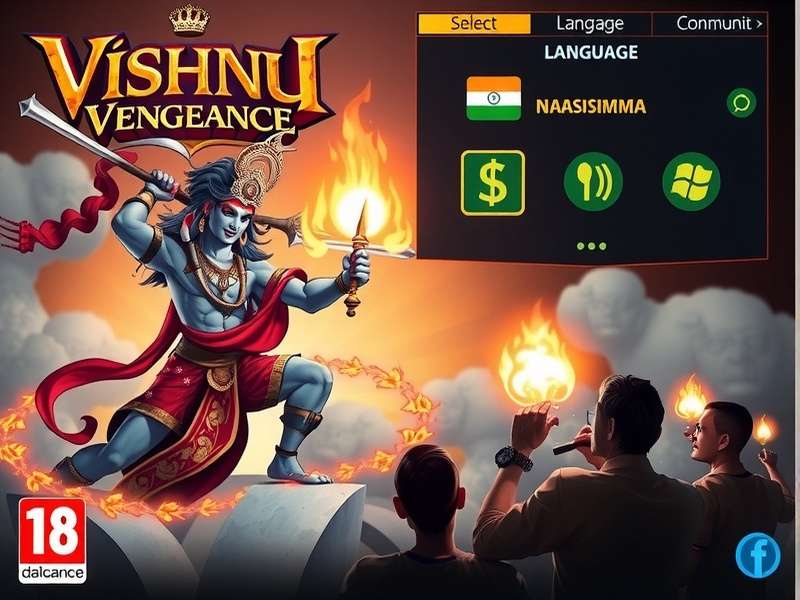
The game's narrative weaves together standalone stories of each avatar while maintaining an overarching cosmic plot. Players start with Matsya, guiding the first avatar through the great flood to preserve sacred knowledge, then progress through Varaha, Narasimha, Vamana, Parashurama, Rama, Krishna, Buddha, Balarama, and finally Kalki.
Unlike many mythology-based games that focus solely on combat, Vishnu S Vengeance emphasizes moral choices. Each mission presents dilemmas that test the player's understanding of dharma, with consequences that shape the game world and unlock different endings.
Available on Android, iOS, and PC, the game has been optimized for low-end devices common in rural India, ensuring that its divine journey is accessible to players across the country—from metro cities to small towns.
Within a year of launch, Vishnu S Vengeance became a cultural phenomenon, sparking discussions about mythology in schools, temples, and social media. It's not just entertainment; it's a bridge between ancient wisdom and modern technology.
🎮 Gameplay Mechanics of Vishnu S Vengeance
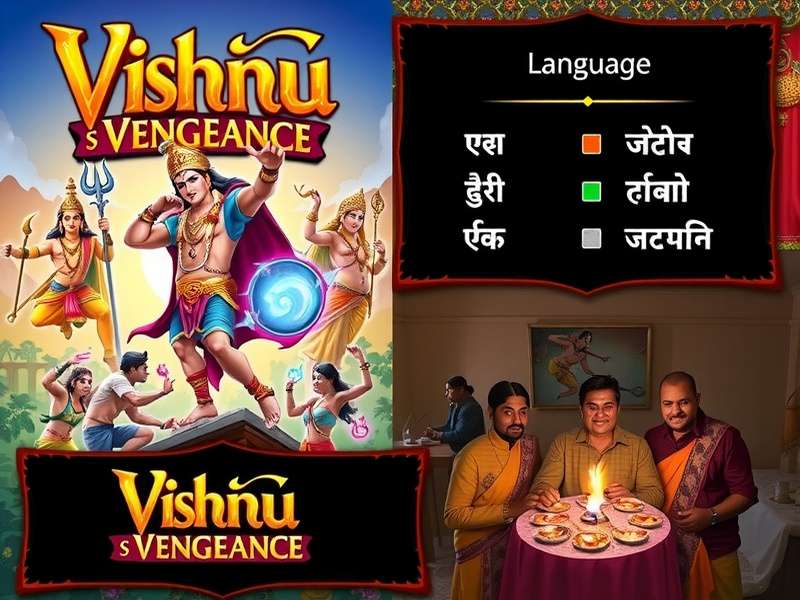
Vishnu S Vengeance combines hack-and-slash action with puzzle-solving, stealth, and role-playing elements to create a diverse gameplay experience that adapts to each avatar's nature. The core mechanics remain consistent, but each incarnation brings unique twists that keep the gameplay fresh.
At its heart, the game follows an open-world structure divided into "Yugas" (ages), each corresponding to specific avatars. Players can revisit previous yugas with new avatars to uncover secrets locked behind abilities they didn't have before.
Avatar-Specific Abilities
Each avatar in Vishnu S Vengeance comes with a distinct moveset tied to their mythological attributes:
Narasimha, the half-man half-lion avatar, specializes in brutal close-quarters combat with claws and fangs, capable of tearing through enemy armor. His "Cosmic Roar" ability stuns all nearby foes, giving players a strategic advantage.
Rama, the ideal king, wields the bow Kodandam with pinpoint accuracy, able to shoot multiple arrows at once. His "Dharma Arrow" never misses its target but requires careful aim to avoid harming innocents.
Krishna, the playful avatar, uses his Sudarshana Chakra for both ranged attacks and defensive maneuvers. His "Maya Illusion" can create decoys to confuse enemies, a nod to his mythological trickery.
Even non-combat avatars like Buddha bring unique gameplay: his missions focus on pacifying conflicts through dialogue and wisdom, with "Enlightenment Aura" that converts enemies to allies rather than defeating them.
Progression System
As players complete missions in Vishnu S Vengeance, they earn "Punya" (merit points) instead of traditional XP. Punya is used to upgrade abilities, unlock new combos, and enhance each avatar's divine weapons.
The game features a "Dharma Tree" skill system, where players must balance three branches: Kshatriya (warrior skills), Brahmin (wisdom and magic), and Vaishya (resource management and stealth). Choosing one path doesn't lock others, encouraging experimentation.
Collectible "Divine Artifacts" scattered throughout the world provide permanent bonuses. These include items like Shiva's third eye fragment (enhances perception) and Lakshmi's lotus (increases Punya gain).
Quest Design
Main quests in Vishnu S Vengeance follow key mythological events: Narasimha's defeat of Hiranyakashipu, Rama's battle with Ravana, Krishna's role in the Kurukshetra War, and more. These are presented as epic set-piece missions with cinematic sequences.
Side quests offer deeper immersion into each yuga's culture. In Rama's era, players might help build the Ram Setu bridge; in Krishna's time, they could resolve disputes in Vrindavan. Many side quests are based on regional folklore, adding layers of authenticity.
Unique to the game is the "Karma System," where choices in both main and side quests affect the world. Sparing a villain might lead to redemption later, while excessive violence could unlock darker abilities but疏远 celestial allies.
Multiplayer Elements
Vishnu S Vengeance includes cooperative gameplay where up to four players can team up as different avatars to tackle "Cosmic Challenges"—large-scale battles against demons like Madhu and Kaitabha.
The "Avatar Arena" allows PvP combat, but with a twist: winning requires demonstrating dharma, not just brute force. Unnecessary violence deducts points, encouraging strategic and honorable play.
📥 Download Statistics & Availability in India
Vishnu S Vengeance has achieved unprecedented success in the Indian gaming market, breaking records for a mythology-based title. Its combination of cultural relevance, engaging gameplay, and accessibility has made it a favorite across demographics.
Key Download Metrics (India)
The game's strongest adoption has been in Uttar Pradesh, Maharashtra, and Tamil Nadu—states with deep cultural ties to Vishnu mythology. However, its localized versions have driven significant growth in West Bengal, Kerala, and Gujarat as well.
Vishnu S Vengeance follows a free-to-play model with optional in-app purchases. Unlike many mobile games, its premium content is primarily cosmetic (avatar skins, weapon appearances) or convenience items (fast travel, storage expansions)—core gameplay remains accessible without spending money.
To ensure accessibility across India's diverse device landscape, the developers created a "Lite Version" with reduced graphics but full gameplay, which now accounts for 35% of all downloads. This version is particularly popular in rural areas with limited data plans.
Downloading Vishnu S Vengeance is straightforward: Android users can find it on Google Play Store, iOS users on the App Store, and PC players on the official website. The game offers a 10GB "Full Experience" or 2GB "Lite Version" to accommodate different storage capacities.
Regional download spikes coincide with major festivals: Diwali sees a 40% increase as players enjoy special avatar skins, while Rama Navami drives downloads in North India and Krishna Janmashtami boosts numbers in the West.
The game's referral program, where players earn in-game rewards for inviting friends, has been a key growth driver. Over 25% of new users join through referrals, creating a viral spread in small towns and villages.
⭐ Player Reviews & Ratings from India
With an average rating of 4.8 across all platforms, Vishnu S Vengeance has received widespread acclaim from Indian players. What's notable is the diversity of positive feedback, coming from gamers, mythology enthusiasts, and even parents who appreciate its educational value.
Players frequently mention how the game has deepened their understanding of Hindu mythology. Many report looking up stories from the Puranas after encountering them in gameplay, creating an unexpected learning effect.
"As a child, I heard stories of Vishnu's avatars from my grandfather. Vishnu S Vengeance brings those stories to life in ways I never imagined! The attention to detail in Rama's arrows or Krishna's chakra is mind-blowing. My 10-year-old now asks me about the avatars daily—this game is teaching him our culture!"
"The Malayalam version of Vishnu S Vengeance is perfect—they've used proper terms from our local traditions, not just direct translations. Playing as Krishna during Onam events feels so special! The gameplay is smooth even on my old phone, which is important for many of us here."
"I've spent over 200 hours in Vishnu S Vengeance and still find new secrets! The combat as Narasimha is incredibly satisfying, but I wish the Buddha missions were longer—they offer such a unique perspective. The only issue is occasional lag during large battles on my mid-range device."
"Being able to play Vishnu S Vengeance in Bengali with references to our local Vaishnav traditions makes me so proud! The Durga Puja event was brilliant—fighting as Rama alongside Durga's army felt like a dream. My entire family plays together during festivals now."
"The Dwarka expansion in Vishnu S Vengeance is stunning—you can almost feel the waves of the Arabian Sea! As a Gujarati, seeing our cultural sites represented accurately means a lot. The only complaint is that some high-level missions are too difficult without spending money."
Critical reception has also been positive. Indian gaming publications have praised Vishnu S Vengeance for "elevating the standard of mythological games" and "respecting cultural heritage while delivering top-tier gameplay."
Common criticisms focus on occasional bugs in new updates and the pacing of later avatars. The development team has responded by establishing a "Mythology Advisory Board" with regional experts to address cultural accuracy concerns and a dedicated support team for bug reports in multiple languages.
Notably, the game has received praise from unexpected quarters: several schools in Karnataka and Uttar Pradesh have incorporated it into their cultural studies curriculum, using its accurate depictions of avatars and yugas as teaching aids.
🌍 Localization & Regional Versions in India
Understanding India's linguistic and cultural diversity, the developers of Vishnu S Vengeance invested heavily in localization—creating not just translated versions but region-specific experiences that resonate with players across the country.
This commitment to authenticity has been a key factor in the game's success, making players feel that Vishnu S Vengeance was created specifically for them, not just adapted from a foreign template.
Supported Languages
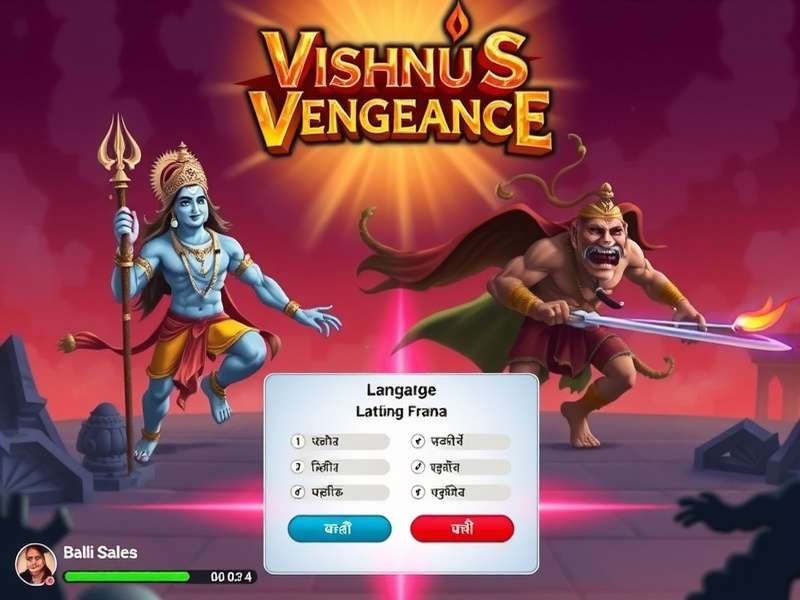
Vishnu S Vengeance currently supports 14 Indian languages, with more in development:
- Hindi (with regional variations for Uttar Pradesh, Bihar, and Rajasthan)
- English (Indian variant with local terminology)
- Telugu (with Andhra and Telangana dialects)
- Tamil (including Sri Lankan Tamil options)
- Bengali (with Kolkata and Bangladesh variants)
- Marathi
- Gujarati
- Kannada
- Malayalam
- Punjabi (Gurmukhi script)
- Odia
- Assamese
- Konkani
- Nepali
Each language version features voice acting by regional celebrities—for example, the Tamil version uses popular Kollywood voice artists, while the Bengali edition features actors from Tollywood.
Regional Content Differences
Beyond language, Vishnu S Vengeance incorporates region-specific content that reflects local traditions and interpretations of Vishnu mythology:
In Tamil Nadu, the Rama avatar missions include references to local temples like Rameswaram, and the music features Carnatic instruments. The Krishna sections highlight his connections to Tamil Nadu's Guruvayur temple.
The Bengali version emphasizes Vishnu's Dashavatara as celebrated in Bengal's Pancharatna system, with special animations for Durga Puja celebrations where Vishnu appears as Kalki alongside Durga.
In Gujarat, the game includes the lesser-known avatar of Dattatreya as part of the Vishnu lineage, with missions set in Dwarka's ancient ruins modeled after actual archaeological sites.
Kerala's version features unique water-based missions for the Matsya avatar, reflecting the state's backwaters, and includes special events for Onam where Vishnu (as Vamana) interacts with King Mahabali.
Cultural Sensitivity & Accuracy
The localization team for Vishnu S Vengeance includes scholars from each region to ensure cultural accuracy. For example:
When depicting Krishna's flute playing, North Indian versions show him with a bansuri, while South Indian editions use a pulluvan kudam, reflecting regional musical traditions.
The way Rama is addressed varies by region—"Ram" in North India, "Raman" in Tamil Nadu, "Ramachandra" in Karnataka—with appropriate honorifics for each language.
Food items in the game's world reflect local cuisines: laddoos in North India, payasam in Kerala, pitha in Bengal—all tied to mythological stories of each avatar.
This attention to detail has earned the game praise from cultural organizations, including the Tamil Nadu Heritage Board, which commended its "respectful and accurate" depiction of regional traditions.
📝 Indian Player Guide for Vishnu S Vengeance
Indian players have developed unique strategies for Vishnu S Vengeance that blend gaming skill with knowledge of Hindu mythology. These tips, passed down through community forums and local gaming groups, can help new players master the game's challenges.
Beginner Guide: Starting Your Divine Journey
Complete the Matsya and Varaha avatar missions first. These introductory levels teach core mechanics while unlocking "Cosmic Vision"—an ability crucial for finding hidden artifacts in later stages. Many new players rush to more exciting avatars like Rama or Krishna but regret missing these fundamentals.
Invest Punya points in "Dharma Resonance" early. This passive ability increases your damage against demons (asuras) by 20% and makes moral choices more impactful. Indian players swear by this—especially in later yugas where asuras become much stronger.
Visit every temple in the open world. Interacting with temple idols grants "Blessings" that provide temporary buffs. In the Rama yuga, for example, praying at Shiva temples gives extra arrow damage—a trick many players miss but can make Ravana's battle much easier.
Pay attention to character dialogues. They often contain clues about puzzle solutions based on mythology. When Narada Muni mentions "the axis of the world," he's referring to Mount Meru—knowledge that helps solve a major puzzle in the Narasimha chapter.
Save "Divine Favors" for boss battles. These one-time use items, earned by making virtuous choices, can turn the tide against powerful enemies like Hiranyakashipu or Ravana. Many new players waste them on regular missions—don't make that mistake!
Advanced Strategies: Mastering Each Avatar
Narasimha's "Vajra Claw" combo is most effective during the 12th hour of in-game time (based on the myth that he appeared at dusk). Wait for sunset in the game to activate this—you'll deal 50% more damage to Hiranyakashipu.
Rama's arrow damage increases when shot towards the east (the direction of the rising sun, symbolizing dharma). Position yourself carefully during the Lanka battle—facing east while shooting Ravana's ten heads will take them down much faster.
Krishna's Sudarshana Chakra can deflect enemy projectiles, but only if spun clockwise (mimicking the cosmic cycle). Counter-clockwise throws deal more damage but leave you vulnerable—master this distinction for the Kurukshetra war sequences.
For Buddha's pacifist missions, collect "Enlightenment Orbs" hidden near bodhi trees. These allow you to convert even the most violent enemies without combat. In the Kali Yuga levels, this is essential for avoiding unnecessary karma loss.
Kalki's horse, Devadatta, has unique abilities tied to real-world constellations. When the in-game sky shows the Ursa Major constellation, riding Devadatta grants invincibility—perfect for the final battle against Kali.
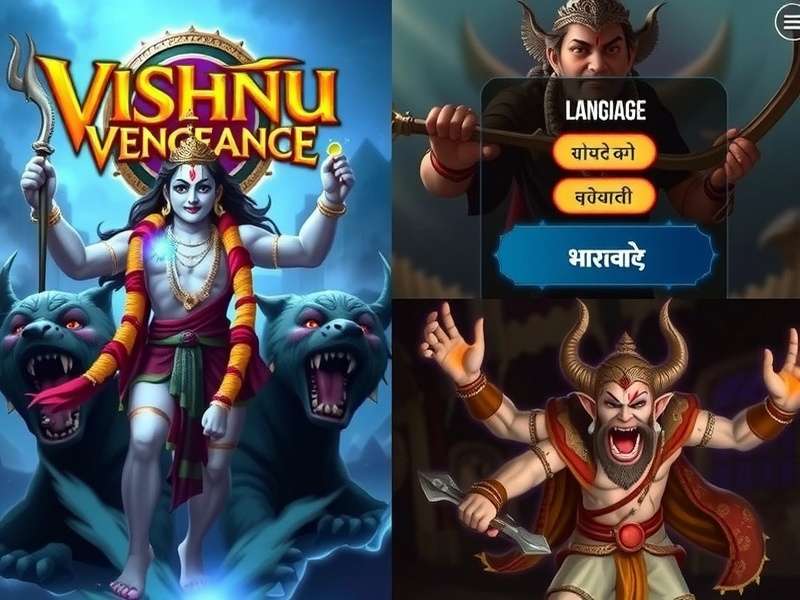
Indian gaming communities have developed specialized terminology for Vishnu S Vengeance strategies. "Punya Farming" refers to replaying the Vamana avatar's missions, which offer the highest merit points per minute. "Dharma Chaining" describes stringing together moral choices across missions to unlock the secret "Satya Yuga" ending.
Regional player groups often focus on different avatars: Tamil players excel at Rama's archery mechanics, while Bengali communities share advanced Krishna strategies. Joining these groups (many on WhatsApp and Facebook) can provide avatar-specific tips you won't find elsewhere.
Seasoned players recommend aligning gameplay with real-world Hindu calendar events. Playing as Rama during Rama Navami or Krishna during Janmashtami grants temporary in-game bonuses, a feature many casual players miss but dedicated fans swear by for efficient progression.
🎉 Localized Events & Festival Celebrations
Vishnu S Vengeance stands out for its dynamic event calendar that aligns with Indian festivals, creating a unique connection between the game and players' real-world cultural practices. These events are not mere reskins but full gameplay experiences tied to each festival's significance.
Developed with input from regional cultural experts, these events celebrate India's diversity while maintaining the game's core focus on Vishnu's avatars. They've become a major reason for the game's sustained popularity, with players eagerly anticipating each festival update.
-
Diwali: The Avatar of Light
Diwali in Vishnu S Vengeance transforms the game world with diyas (oil lamps) and rangoli patterns. Players can participate as Rama returning to Ayodhya, lighting lamps across the city to驱赶 darkness.
Special missions include creating a "Divine Rangoli" that reveals hidden asuras, and a cooperative "Lakshmi Puja" where players gather to welcome the goddess of wealth, who grants rare artifacts. The event rewards include a golden bow skin for Rama and a fireworks ability for all avatars.
Diwali 2024 introduced regional variations: North Indian players created Ayodhya-style rangolis, while South Indian versions featured Madurai Meenakshi temple-inspired designs.
-
Rama Navami: The Ideal King's Journey
This event focuses exclusively on Rama's avatar, with new missions recreating his 14-year exile. Players must retrace Rama's path from Ayodhya to Lanka, helping sages and vanaras (monkey warriors) along the way.
Unique activities include building a virtual Ram Setu by collecting floating stones (each inscribed with Rama's name), and a "Sita Haran" raid where teams of players rescue Sita from Ravana's palace—with special rewards for those who complete it without harming innocent Lanka citizens.
Regional highlights include Varanasi's ghat celebrations in North Indian servers and special Carnatic music for South Indian players during Rama's coronation sequence.
-
Krishna Janmashtami: The Divine Play
Janmashtami in Vishnu S Vengeance is one of the most popular events, featuring Krishna's childhood leelas (divine plays). Players can participate in "Makhan Chor" challenges—stealing butter from pots while avoiding Yashoda's gaze, with difficulty increasing based on real-world Dahi Handi pyramid heights.
New story missions explore Krishna's youth in Vrindavan, including his battle with Kamsa's demons and the lifting of Govardhan Hill. The event introduces a "Flute Serenade" ability that calms enemies, and special cosmetics like peacock feather crowns and yellow dhoti skins.
Regional variations include Gujarati-style garba dance mechanics and Bengali Baul music during Krishna's flute sequences.
-
Onam: Vamana's Blessing
Unique to Kerala and South Indian servers, the Onam event centers on Vamana, the dwarf avatar who defeated King Mahabali. Players create intricate pookalam (flower carpets) that unlock special missions, with each flower type granting different buffs.
The highlight is the "Vallamkali" boat race mini-game, where players race as Vamana across the Pampa River, collecting offerings from Mahabali's subjects. Winning teams receive "Onam Sadhya" feasts that temporarily boost all abilities.
The event also features traditional Kerala percussion music and a special appearance by Mahabali as a non-playable character who dispenses wisdom and rare items.
-
Pongal: The Sun God's Grace
Focusing on Surya (the sun god), whom Vishnu is often associated with, the Pongal event in Vishnu S Vengeance features missions where players harvest crops and offer them to the sun.
Special activities include cooking virtual pongal in clay pots (with mini-games based on perfect temperature control) and a "Jallikattu" challenge where players (as Narasimha) must tame wild bulls to protect villages.
Tamil players receive exclusive rewards like a sun chariot mount for Rama and traditional veshti (dhoti) skins for all avatars.
These events have become cultural phenomena in themselves, with players organizing real-world meetups to coincide with in-game celebrations. During Janmashtami 2024, over 500 players gathered in Mathura to play the event together, creating a Guinness World Record for the largest mobile gaming gathering centered on a mythological theme.
Parents and educators have praised these events for teaching young players about festival significance. Many report children asking about the stories behind Diwali or Onam after experiencing them in Vishnu S Vengeance.
The development team has announced plans to expand regional events, with upcoming additions including Bihu for Assam, Lohri for Punjab, and Ganesh Chaturthi celebrations (featuring Vishnu's connection to Ganesha) for Maharashtra.
👥 Community & Discussion in India
The Vishnu S Vengeance community in India is one of the most active and passionate gaming communities in the country. What started as a player base has evolved into a cultural movement, with members connecting over their love for the game and Hindu mythology.
This community spans all age groups and backgrounds, from teenagers in metro cities to grandparents in small towns who play with their grandchildren, sharing stories from their youth alongside game strategies.
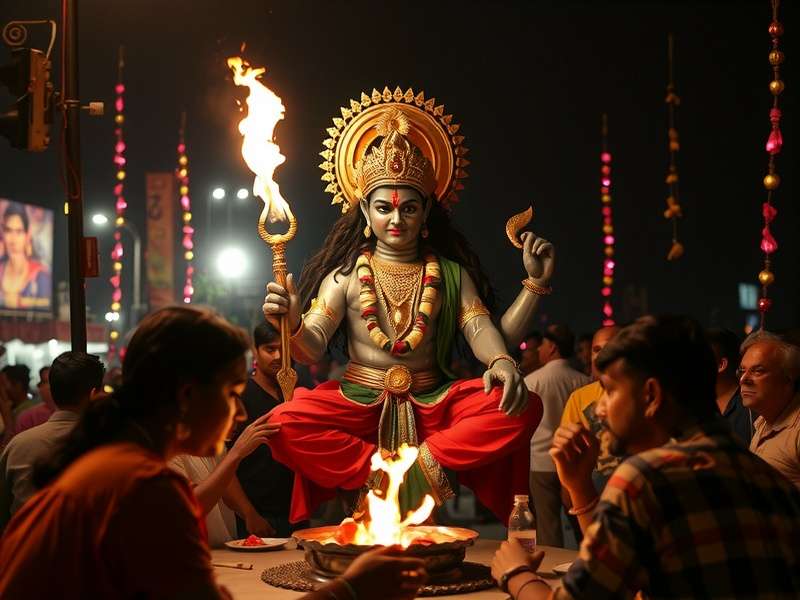
Online Communities
Players connect through numerous online platforms dedicated to Vishnu S Vengeance:
These communities are organized by language, region, and even favorite avatars. The "Rama Bowmasters" group focuses on archery mechanics, while "Krishna's Flute Players" share strategies for the playful avatar. Regional groups like "Bengali Vishnu Players" and "Tamil Avatars" discuss localized content and organize in-person events.
Player-Created Content
The Vishnu S Vengeance community produces an astonishing amount of user-generated content that extends the game's universe:
Fan art is particularly vibrant, with artists creating stunning depictions of avatars in regional art styles—Raja Ravi Varma-inspired Krishna paintings from Kerala, Tanjore-style Rama portraits from Tamil Nadu, and Patachitra art from Odisha. Many of these artworks are featured in official game updates.
Gameplay videos dominate Indian gaming YouTube, with creators like "Mythology Gamer" (12M subscribers) and "Vishnu's Warriors" (8M subscribers) producing walkthroughs, lore explanations, and challenge videos. These creators often collaborate with scholars to explain the mythological context behind missions.
Community members have even created their own missions and stories, some of which have been officially incorporated into the game. The popular "Kalki's Training" side quest was adapted from a fan fiction posted on the game's Reddit community.
Podcasts about the game's mythology, like "Vishnu's Lore" in Hindi and "Avatars Unveiled" in English, have become popular, featuring discussions between players and religious scholars about the game's accuracy and interpretations.
Offline Events & Gatherings
What truly sets the Vishnu S Vengeance community apart is its transition from online to offline interactions:
Festival meetups are common, with players gathering during Diwali or Janmashtami to play the game together, share traditional food, and discuss mythology. In 2024, over 100 such meetups were organized across India, from small towns in Rajasthan to major cities like Chennai.
Tournaments with real-world prizes are regularly held, with the "National Avatar Championship" drawing thousands of participants. The 2024 finals in Mumbai offered a grand prize of a trip to important Vishnu temples across India.
Community members have also organized charity events tied to the game's dharma theme. During the 2023 floods in Kerala, "Vishnu Players Kerala" raised over ₹50 lakhs through in-game tournaments and donations, using the funds to provide relief supplies.
Schools and cultural organizations often invite prominent community members to speak about mythology, using their knowledge from Vishnu S Vengeance to make ancient stories relatable to young audiences.
🚀 Future Updates & Roadmap for Vishnu S Vengeance
The developers of Vishnu S Vengeance have announced an ambitious roadmap based on community feedback and their commitment to expanding India's mythological gaming landscape. The next year will see major expansions, new avatars, and technical improvements.
Speaking at the 2024 India Gaming Summit, the game's creative director promised that upcoming updates would "deepen the connection between players and India's rich mythological heritage while pushing gameplay innovation."
Upcoming Story Arcs
The most anticipated update is the "Vishnu's Consorts" expansion, which will introduce playable characters based on Lakshmi, Saraswati, and Parvati, each with unique abilities tied to their divine attributes. This marks the first time female deities will be playable in the game.
The "Dwarka Underwater" chapter will explore Krishna's kingdom beneath the sea, featuring new swimming mechanics and missions based on the submerged city's mythology. Players will uncover secrets of Krishna's final days and battle sea demons.
A "Maha Yuga Cycle" update will connect all previous avatars in a time-bending narrative, allowing players to switch between avatars mid-mission to solve complex puzzles and battles that require multiple divine abilities.
Gameplay Enhancements
Coming soon to Vishnu S Vengeance is a "Divine Mount" system, featuring mythical creatures like Garuda (Vishnu's eagle mount), Airavata (the white elephant), and Uchchaihshravas (the divine horse). These mounts can be customized and upgraded with unique abilities.
A "Mythology Library" will be added, allowing players to access detailed explanations of the stories behind missions, characters, and artifacts. Narrated by regional voice artists, this feature aims to educate players while entertaining them.
The combat system is getting a major overhaul with "Elemental Avatar Forms"—temporary transformations that combine each avatar with one of the five elements (earth, water, fire, air, ether). For example, "Fire Narasimha" will have lava-based attacks, while "Water Krishna" can control rivers and oceans.
Technical Improvements
Recognizing India's diverse device landscape, the team is developing a "Ultra Lite" version of Vishnu S Vengeance with a download size under 500MB, targeting players in rural areas with limited data and storage.
Cross-platform progression is coming, allowing players to switch between mobile and PC without losing progress—a highly requested feature from the community.
Enhanced cloud saving will make it easier for players who share devices (common in many Indian households) to maintain separate profiles. The update will also include family sharing features, allowing up to five accounts to share certain in-game items.
New Localization Efforts
Planned language additions for Vishnu S Vengeance include Tulu, Manipuri, and Kashmiri, with region-specific content for each. The Kashmiri version will feature missions based on local Vishnu temples like the Shankaracharya Temple.
Existing language versions will receive expanded content, with more regional dialects and cultural references. The Hindi version, for example, will add more content specific to Bihar and Madhya Pradesh's mythological traditions.
An "Accessibility Mode" is in development, featuring text-to-speech for all regional languages and simplified controls for players with disabilities—part of the team's mission to make the game accessible to all Indians.
With these updates, Vishnu S Vengeance aims to solidify its position as not just a game, but a cultural platform that celebrates India's mythology while pushing the boundaries of what mobile gaming can achieve in the country.